Axios AM

April 10, 2026

1 big thing: New oil order
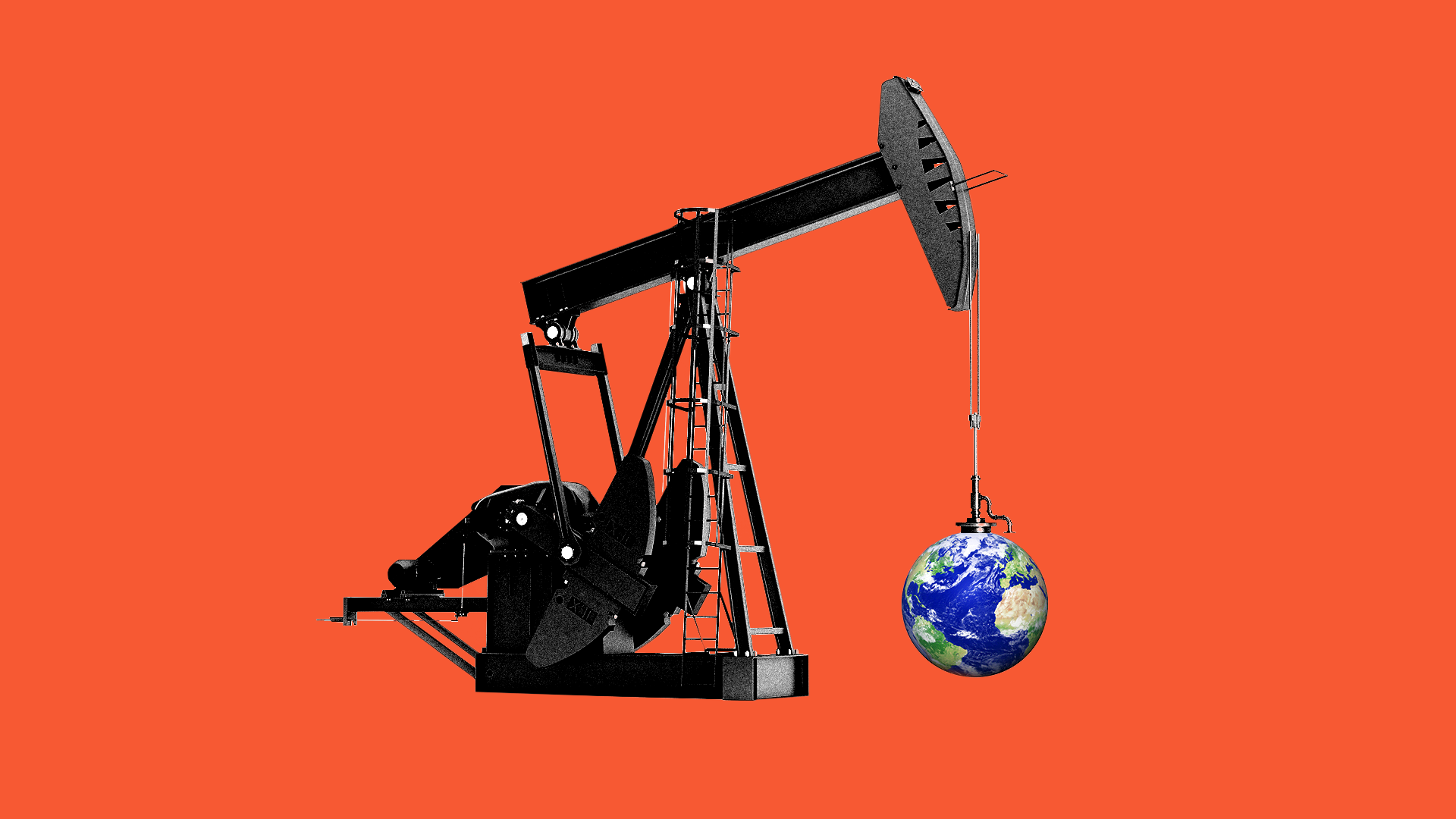
The energy shock from the Iran war may drive long-lasting change in how the global multitrillion-dollar oil market operates — turning a relatively open and smoothly functioning system into something weaponized and fractured, Axios Markets author Emily Peck writes.
- Why it matters: Such a reordering would mean, at a minimum, higher energy prices and inflation. In the long term, it could shake the foundations of the dollar-based global economy and, with it, U.S. power.
The latest: Iran still has the Strait of Hormuz effectively locked down.
- The price of oil is now about 50% higher than before the war began.


Flashback: Such shocks in the past have led to permanent changes in the global economy. There's little reason to think this one would be different.
- The pandemic drove a push among countries to reshore manufacturing.
- The Ukraine war forced European countries to reduce dependence on Russian natural gas.
- The 1970s oil crisis got Americans to actually drive small cars.
Between the lines: Wars can also shift global power. The Suez Crisis of 1956 — another disruption in a key Middle East waterway — is seen as the moment when the U.K. lost its standing as a global superpower.
- Some war critics argue this could be America's "Suez moment." (N.Y. Times gift link)
2. 🥊 Exclusive How Roger Stone saved Tulsi Gabbard

3. 🇮🇷 Iran's real red line
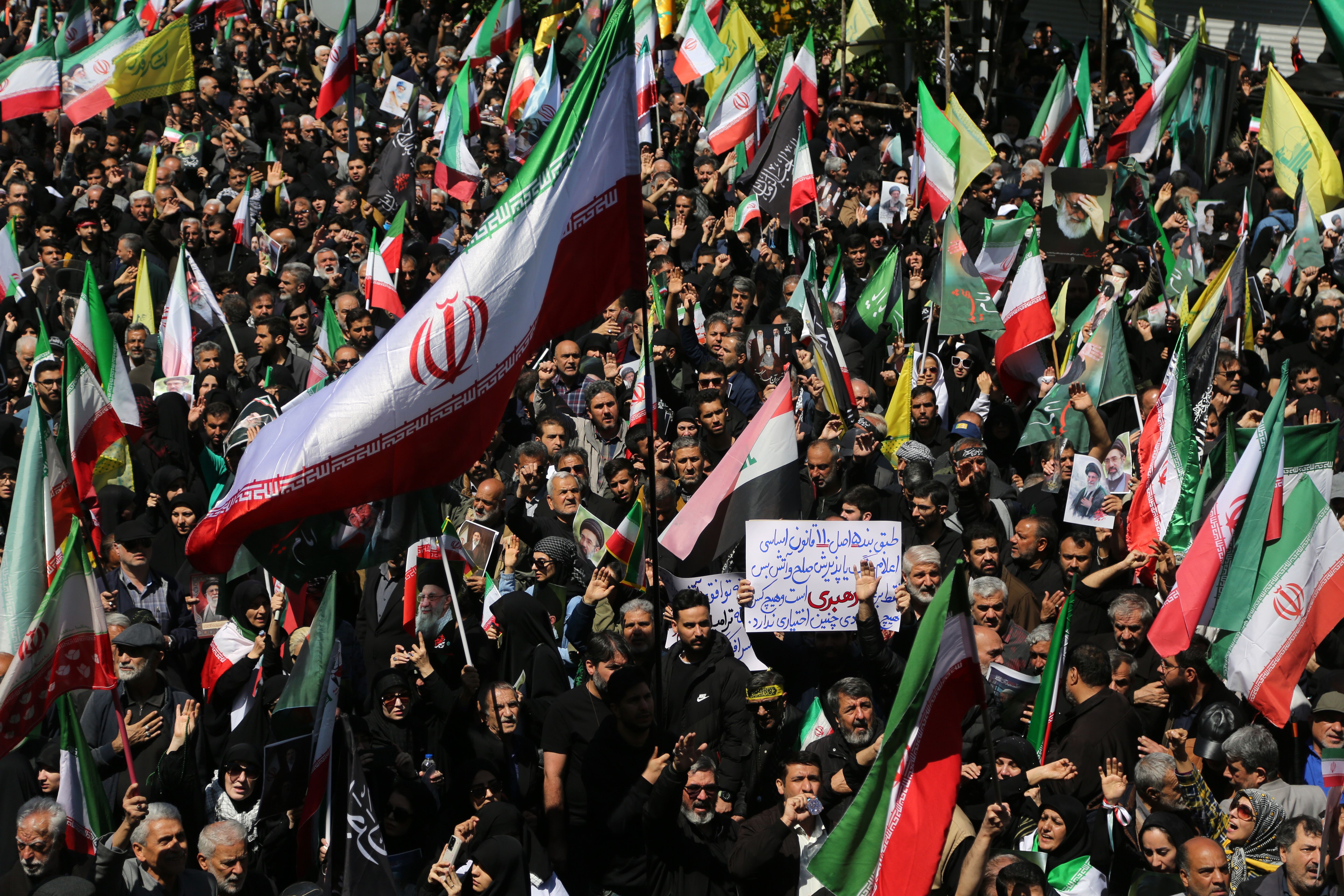
A smart strategic insight on the war that Axios CEO Jim VandeHei shared last weekend in his new weekly newsletter for CEOs:
- Iran's present and future depend on the Strait of Hormuz, not nuclear weapons. It's their only remaining source of wealth, influence and power, regionally and globally.
- Axios Middle East expert Barak Ravid, the world's best-sourced reporter on the topic, told Jim: "During the war, Iran really discovered how it can hold the world by the balls with the Strait of Hormuz. ... Even if the Iranians reopen it at the end of the war, they know they have deterrence for the future."
🚢 The context: As Axios PM reported yesterday in "Hormuz blues," very few ships are daring to navigate Hormuz. Hundreds of tankers are lingering in the region, hoping to get through.
- President Trump wrote on Truth Social yesterday: "Iran is doing a very poor job, dishonorable some would say, of allowing Oil to go through the Strait of Hormuz. That is not the agreement we have!"
📈 If you're a CEO or on a CEO's team: Ask to join the beta of Jim's new Axios C-Suite weekly newsletter.
4. ⛳ Retiring en masse


The share of adults age 55 and up in the workforce is at its lowest level in two decades, as more baby boomers age out of their working years, Axios' Emily Peck writes from last week's jobs report.
- Why it matters: The growing population of older Americans — the youngest boomers turn 62 this year — is one of two huge demographic forces hitting the labor market right now, as evidenced in last week's jobs report.
- The other is the big decline in immigration.
✌️ The intrigue: The Wall Street Journal recently reported that some older workers are leaving the job market rather than deal with the disruption brought on by AI (gift link).
5. 🎲 Exclusive: Sportsbooks bet millions on super PAC
6. ⏱️ New cybersecurity clock: Seconds instead of days

Researchers have already found readily available AI models capable of exploiting many of the decades-old bugs targeted by Anthropic's new Claude Mythos Preview, now available only to select partners, Axios' Sam Sabin writes.
- Why it matters: Guardians of critical infrastructure — water, electricity, health care, financial services and more — face accelerating risk from coming AI models sure to be exploited by terrorists or rogue states.
⚠️ Security experts warn that the new models are likely good enough to both find and weaponize vulnerabilities in as little as a day.
- "Dwell time used to be 90 days, then it became six days," Rubrik CEO Bipul Sinha told Axios. "Now it has become zero [days], or seconds."
Correction: Our story in AM yesterday on OpenAI's plans for a new rollout has been corrected to say OpenAI is releasing a cybersecurity product, separate from its new model, to select partners. It's not staggering the release to select companies. This product is different from OpenAI's upcoming model, Spud.
7. 🌮 Tortilla change could go national
8. 🌶️ 1 lunar thing: Bring condiments!

NASA sent five hot sauce varieties on Artemis II, deeming the spicy staple an essential item, Axios New Orleans' Carlie Kollath Wells writes.
- Why it matters: Even in space, flavor matters. Turns out hot sauce serves practical and behavioral health functions in space, too.
What's inside: Tabasco, Sriracha, Cholula, Frank's RedHot and Heinz Hot Taco Sauce are on the New Orleans-made rocket, according to Victoria Segovia, a public affairs specialist at Johnson Space Center in Houston.
- She says NASA doesn't endorse any of the brands.
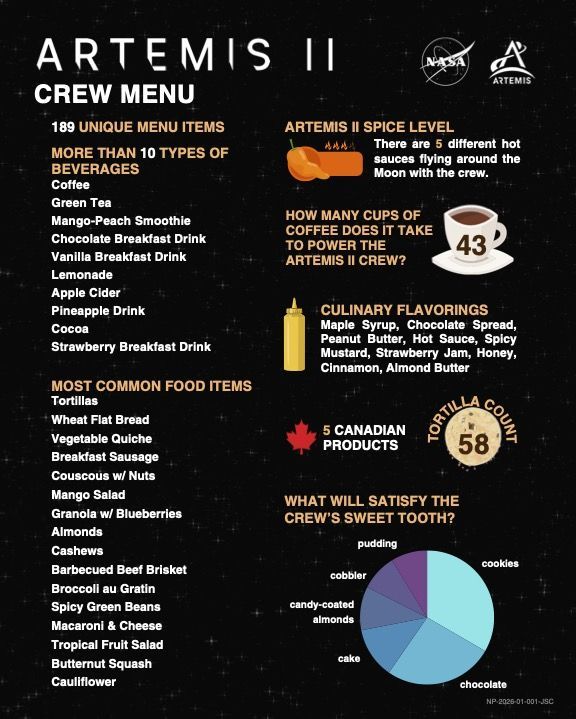
👃 "In microgravity, astronauts often experience less acute olfactory senses due to fluid shift — similar to having a mild congestion — which can dull flavor perceptions," Segovia tells Axios.
- "Spicy and bold" condiments help enhance taste, she says.
🤌 How they choose: The hot sauces are selected in collaboration with astronauts and NASA's food scientists at the Johnson Space Center Food Lab.
- Astronauts taste-test and provide input on flavor preferences, variety and compatibility with the menu.
Don't worry about spills: Condiments on Artemis II are typically in single-serve packets.
Axios AM

Catch up with the most important news of the day